
 English


 Women
Women
 Bottom Wear
 Western Wear
 Maternity Wear
 Women's Inners
 Men's
Men's
 Men Traditional Wear
 Men Western Wear
 Men Inners

Personal Wardrobe
Creating A Wardrobe That Feels Personal
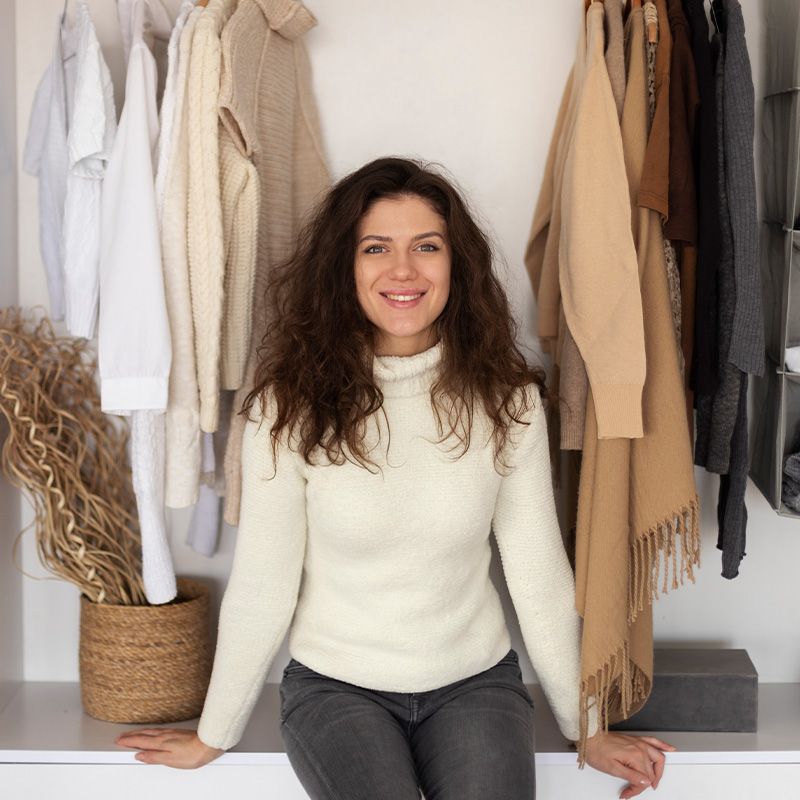
A personal wardrobe begins with self-understanding. Clothing should reflect how you live, move, and feel throughout the day. Instead of copying what others wear, a personal wardrobe grows from awareness of your own routines and preferences. When clothing aligns with your daily life, it feels natural rather than forced. Knowing yourself helps narrow choices and creates a sense of ease every time you get dressed.
Daily Comfort First
Comfort plays a major role in making clothing feel personal. When garments feel good on the body, they become easy choices rather than occasional options. A wardrobe built around comfort supports long hours, movement, and everyday activities. Clothing that causes irritation or distraction quickly loses its place. Prioritising comfort allows your wardrobe to work with you instead of against you.
Consistency Over Variety
A personal wardrobe does not need constant variety. Consistency builds familiarity and trust in what you wear. When clothing performs well repeatedly, it becomes part of your identity rather than just an outfit. Wearing similar styles that feel right creates a strong sense of personal direction. Consistency reduces uncertainty and helps clothing feel more meaningful over time.
Fit That Feels Right
Fit is central to personal connection. Clothing that fits well supports confidence and ease throughout the day. When garments sit comfortably and allow natural movement, they feel like an extension of the body. Poor fit interrupts comfort and distracts attention. A wardrobe that feels personal is one where fit has been chosen carefully, based on how clothing feels during real use.
Simple Choices
Simplicity helps clothing feel personal and approachable. A wardrobe built with simple, reliable pieces makes daily dressing easier. Simple designs blend naturally into different moments of the day without feeling out of place. This clarity allows clothing to support life quietly, without requiring constant adjustment or reconsideration.
Emotional Connection
Clothing becomes personal when it carries emotional comfort. Certain pieces feel familiar, dependable, and reassuring. These garments often become favourites because they support confidence without effort. Emotional connection grows when clothing consistently meets expectations. Over time, this connection transforms a collection of garments into a wardrobe that feels truly yours.
Adapting To Life
Life changes, and a personal wardrobe adapts with it. Clothing that feels personal supports different phases and routines without losing relevance. Instead of reacting to short-term needs, a thoughtful wardrobe evolves gradually. This adaptability allows clothing to remain useful and comfortable across changing schedules and responsibilities.
Respecting Preferences
Personal style does not require explanation. A wardrobe that feels personal respects individual preferences without pressure to conform. Clothing choices should feel intentional and comfortable, not influenced by external expectations. Respecting your own preferences builds confidence and strengthens your connection to what you wear.
Long-Term Satisfaction
A personal wardrobe focuses on long-term satisfaction rather than quick excitement. Clothing that continues to feel right after repeated wear becomes valuable. This satisfaction comes from balance, comfort, and reliability. When garments hold their place in your wardrobe over time, they prove their personal relevance.
A Wardrobe That Belongs
Creating a wardrobe that feels personal is about belonging. Clothing should belong in your life, your routines, and your daily experiences. When garments align with who you are and how you live, dressing becomes simple and reassuring. A personal wardrobe supports confidence quietly, making every day feel more settled and comfortable.
Trending Now
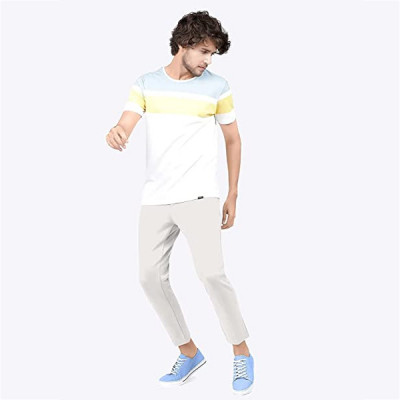
Men's Slim Fit Formal Trousers/Pant
Rs.543.00
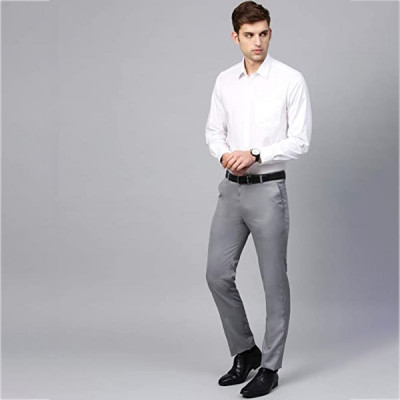
Men's Slim Fit Formal Trousers
Rs.707.00
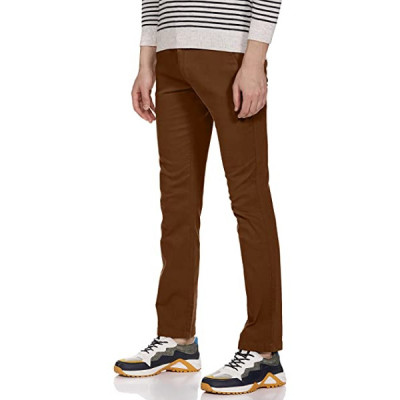
Men's Slim Casual Trouser
Rs.800.00
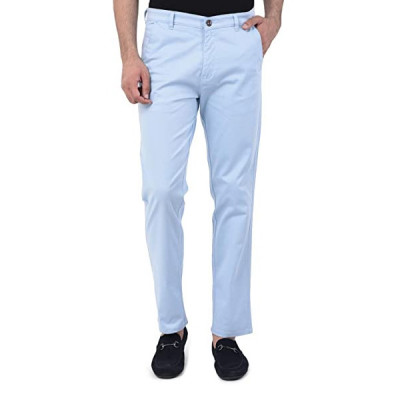
Men's Regular Fit Pants
Rs.544.00
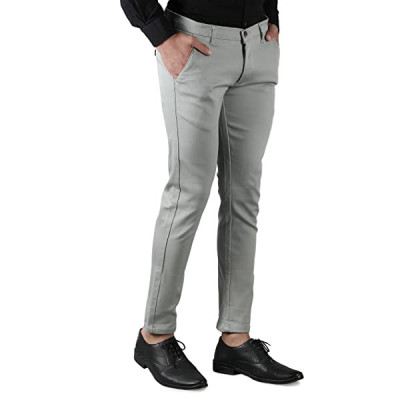
Textured Stretchable Trousers for Men
Rs.899.00
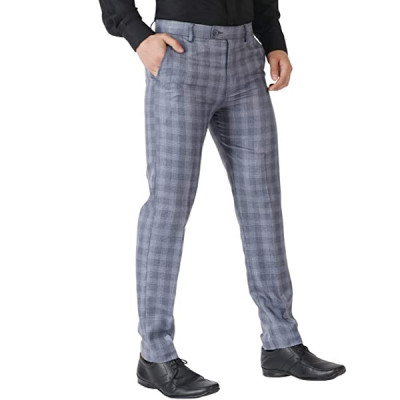
Men's Slim Fit Checkered Trouser
Rs.499.00
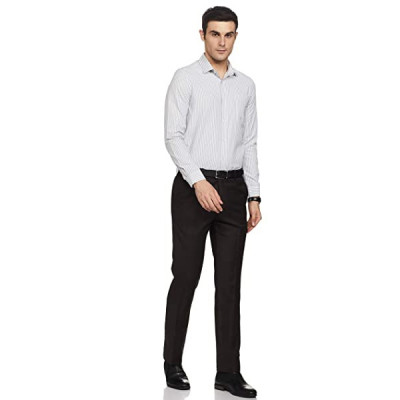
Men's Regular Pants
Rs.2,344.00