
 English


 Women
Women
 Bottom Wear
 Western Wear
 Maternity Wear
 Women's Inners
 Men's
Men's
 Men Traditional Wear
 Men Western Wear
 Men Inners

Personal Standards
When Clothing Matches Personal Standards

Personal standards shape many everyday decisions, including what we choose to wear. Clothing that aligns with personal standards feels right without needing validation. It reflects how individuals view themselves and how they prefer to move through daily life. When clothing matches these standards, it supports confidence, consistency, and comfort in a quiet, natural way. This alignment creates a sense of ease that goes beyond appearance and becomes part of daily routine.
Consistency Matters
Consistency is a key part of personal standards. Clothing that delivers the same comfort, fit, and feel each time it is worn builds trust. When people know what to expect from their clothing, they can rely on it without hesitation. This reliability removes doubt from daily dressing and helps maintain personal standards without constant effort. Consistent clothing supports stable routines and reinforces a sense of control throughout the day.
Everyday Expectations
Personal standards often reflect everyday expectations rather than special moments. Clothing should meet the demands of long hours, movement, and repeated wear. When garments fail to meet these expectations, they quickly fall out of use. Clothing that matches personal standards supports daily life without compromise. It respects the wearer’s time, comfort, and need for dependability across different parts of the day.
Comfort As Priority
Comfort is often at the center of personal standards. Clothing that feels restrictive, irritating, or unreliable does not align with how most people want to experience their day. True comfort allows individuals to focus on their tasks rather than their clothing. When comfort is built into every piece, clothing becomes a supportive presence rather than a distraction. This level of comfort strengthens confidence and reinforces personal standards naturally.
Clean Simplicity
Many personal standards are rooted in simplicity. Clothing that feels balanced and uncomplicated is easier to wear regularly. Clean design allows garments to fit smoothly into daily life without feeling excessive. When clothing avoids unnecessary complexity, it becomes easier to maintain consistency and uphold personal standards. Simplicity helps clothing remain relevant and dependable over time.
Self-Respect In Dressing
Clothing choices often reflect self-respect. Wearing clothing that meets personal standards shows care for oneself and daily experiences. This does not require bold statements or constant change. Instead, it involves choosing garments that feel appropriate, comfortable, and reliable. Clothing that supports self-respect helps individuals feel prepared and composed throughout the day.
Long-Term Wear
Personal standards are not short-lived. Clothing that aligns with them should perform well over repeated use. Long-term wearability ensures garments remain comfortable, supportive, and consistent over time. When clothing continues to meet expectations after regular use, it reinforces trust and becomes a dependable part of daily life. This durability supports personal standards without requiring frequent replacement.
Quiet Confidence
When clothing matches personal standards, confidence follows naturally. This confidence is not loud or attention-seeking. It comes from knowing that clothing will support the day ahead without interruption. Quiet confidence allows individuals to move comfortably through routines, knowing their clothing aligns with how they choose to live and present themselves.
Living By Choice
At its core, dressing to personal standards is about choice. It is the decision to wear clothing that supports comfort, consistency, and ease. When clothing aligns with these values, it becomes an extension of personal standards rather than a separate concern. This alignment creates a more thoughtful, balanced approach to everyday dressing.
Trending Now
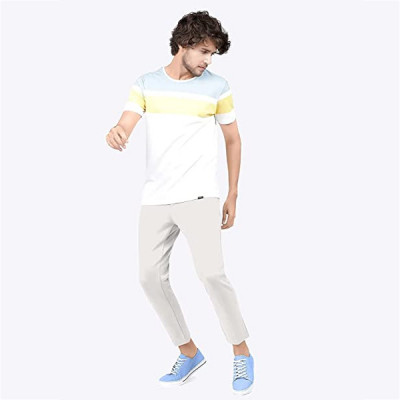
Men's Slim Fit Formal Trousers/Pant
Rs.543.00
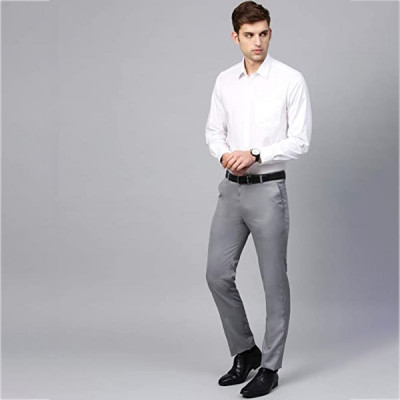
Men's Slim Fit Formal Trousers
Rs.707.00
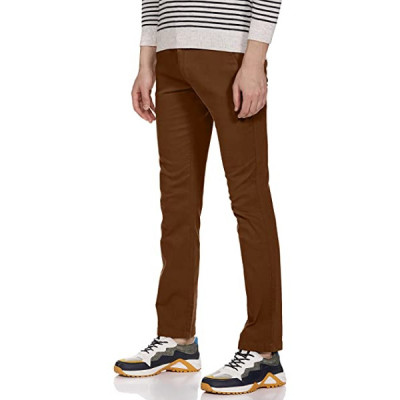
Men's Slim Casual Trouser
Rs.800.00
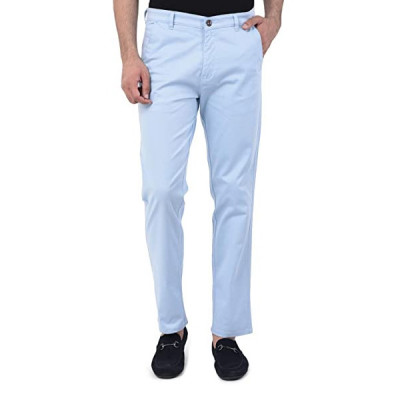
Men's Regular Fit Pants
Rs.544.00
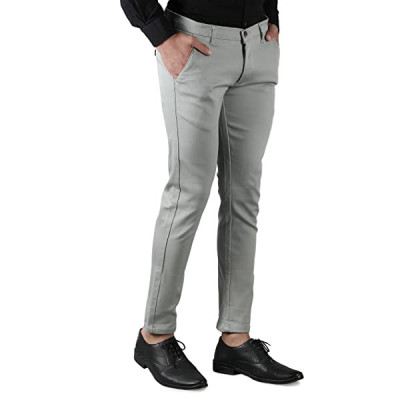
Textured Stretchable Trousers for Men
Rs.899.00
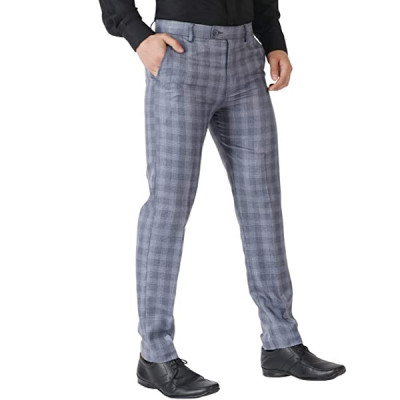
Men's Slim Fit Checkered Trouser
Rs.499.00
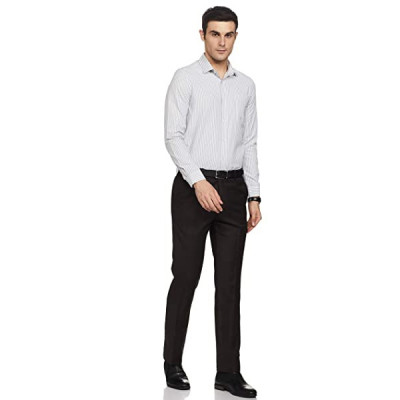
Men's Regular Pants
Rs.2,344.00